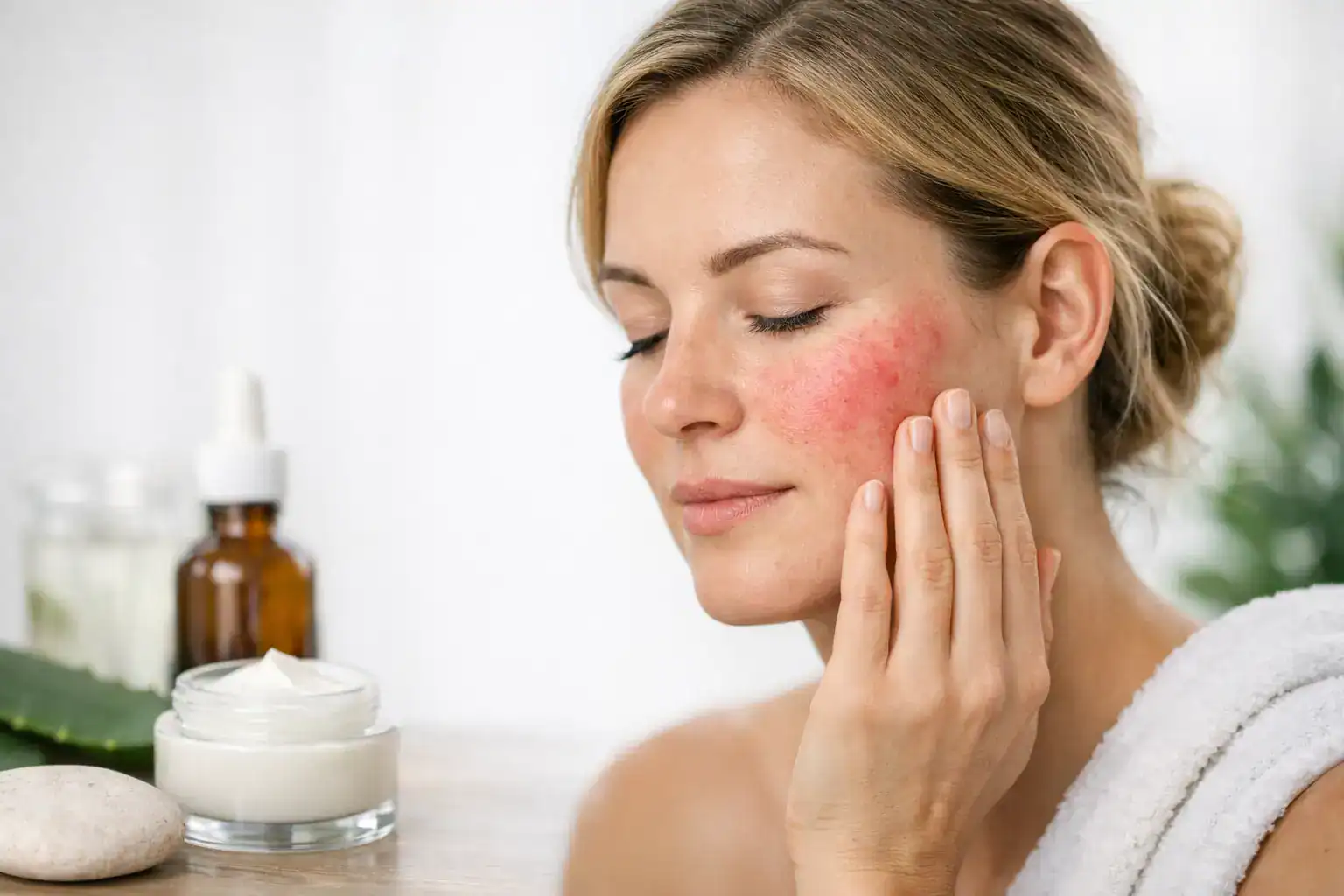
Persistent facial redness is a common skin concern that affects people of all ages and skin types. While occasional redness after exercise or exposure to heat is normal, ongoing facial redness may indicate an underlying skin condition that requires proper care and treatment. For many individuals, this issue can affect confidence, comfort, and overall quality of life.
Facial redness may appear as flushing, visible blood vessels, blotchy patches, or widespread inflammation across the cheeks, nose, forehead, or chin. In some cases, it is accompanied by burning, itching, dryness, or sensitivity. Understanding the cause of persistent facial redness is the first step toward finding an effective treatment plan.
This comprehensive guide explains the common causes of persistent facial redness, available treatment options, facial redness gel , skincare recommendations, lifestyle changes, and preventive measures that can help restore healthier, calmer skin.
What Is Persistent Facial Redness?
Persistent facial redness refers to ongoing redness that remains visible for weeks, months, or even years. Unlike temporary flushing, chronic redness does not disappear quickly and often becomes more noticeable over time if left untreated.
The redness may affect one small area of the face or spread across multiple regions. Some people experience occasional flare-ups, while others have constant redness that rarely fades.
Although facial redness is usually not dangerous, it may indicate an underlying skin disorder that benefits from early diagnosis and treatment.
Common Causes of Persistent Facial Redness
Several medical and environmental factors can contribute to ongoing facial redness.
Rosacea
Rosacea is one of the leading causes of chronic facial redness. It commonly affects adults over the age of 30 and often begins with episodes of flushing before progressing to more persistent redness.
Symptoms may include:
- Red cheeks and nose
- Visible tiny blood vessels
- Acne-like bumps
- Burning or stinging sensations
- Sensitive skin
Without treatment, rosacea may gradually worsen.
Sensitive Skin
People with naturally sensitive skin often experience redness after using certain skincare products or being exposed to environmental irritants.
Common irritants include:
- Fragrances
- Alcohol-based products
- Strong exfoliants
- Harsh cleansers
Using gentle skincare products can significantly reduce irritation.
Eczema (Atopic Dermatitis)
Eczema weakens the skin barrier, allowing moisture to escape and irritants to penetrate the skin. This often causes redness, itching, dryness, and inflammation, especially around the cheeks and eyelids.
Seborrheic Dermatitis
This inflammatory condition commonly affects oily areas of the face, causing redness, flaky skin, and yellowish scales around the nose, eyebrows, and hairline.
Allergic Contact Dermatitis
Skin allergies can develop after exposure to cosmetics, skincare ingredients, hair dyes, sunscreens, or jewelry containing certain metals.
Symptoms usually include:
- Redness
- Swelling
- Itching
- Rash
- Dry skin
Identifying and avoiding the allergen is essential for recovery.
Acne
Inflammatory acne can leave the skin red long after pimples have healed. This lingering redness is known as post-inflammatory erythema.
Proper acne treatment can gradually reduce discoloration.
Sun Damage
Excessive ultraviolet (UV) exposure damages tiny blood vessels beneath the skin and may lead to chronic redness, especially in fair-skinned individuals.
Daily sunscreen use helps prevent further damage.
Symptoms That May Accompany Facial Redness
Depending on the underlying cause, facial redness may occur alongside:
- Burning sensation
- Skin tightness
- Dryness
- Itching
- Swelling
- Small pimples
- Visible blood vessels
- Flaking skin
- Increased skin sensitivity
Keeping track of associated symptoms can help your healthcare provider determine the correct diagnosis.
Daily Skincare Routine for Redness-Prone Skin
A gentle skincare routine plays a vital role in calming irritated skin.
Use a Mild Cleanser
Choose a fragrance-free, soap-free cleanser designed for sensitive skin.
Avoid products containing:
- Alcohol
- Artificial fragrance
- Sulfates
- Strong exfoliating acids
Wash your face with lukewarm water instead of hot water.
Moisturize Every Day
Moisturizers strengthen the skin barrier and reduce water loss.
Look for ingredients such as:
- Ceramides
- Glycerin
- Hyaluronic acid
- Squalane
- Colloidal oatmeal
Apply moisturizer immediately after cleansing.
Wear Sunscreen Daily
Ultraviolet rays worsen facial redness and increase inflammation.
Choose a broad-spectrum sunscreen with SPF 30 or higher.
Mineral sunscreens containing zinc oxide or titanium dioxide are often better tolerated by sensitive skin.
Medical Treatments
If home care does not improve symptoms, medical treatment may be necessary.
Prescription Creams
Doctors may prescribe topical medications that reduce inflammation and minimize redness.
These medications are commonly used to treat rosacea, eczema, or dermatitis.
Oral Antibiotics
For moderate to severe rosacea, oral antibiotics may reduce inflammation and improve skin appearance.
Treatment usually continues for several weeks depending on symptom severity.
Laser Therapy
Laser and intense pulsed light (IPL) treatments target enlarged blood vessels beneath the skin.
Benefits include:
- Reduced redness
- Improved skin tone
- Fewer visible blood vessels
- Long-lasting results
Several treatment sessions are often required.
Allergy Management
If redness is caused by allergies, identifying the triggering substance is the most effective long-term solution.
An allergist may recommend patch testing to determine the specific allergen.
Ingredients That Help Reduce Redness
Several skincare ingredients are known for their calming properties.
Niacinamide
Niacinamide helps strengthen the skin barrier while reducing inflammation and redness.
Azelaic Acid
Azelaic acid is especially effective for rosacea and acne-related redness.
It helps reduce inflammation while improving skin texture.
Centella Asiatica
Often called Cica, this botanical ingredient promotes skin healing and reduces irritation.
Aloe Vera
Pure aloe vera gel provides a cooling effect and temporarily relieves irritated skin.
Green Tea Extract
Green tea contains antioxidants that help calm inflamed skin and reduce redness.
Ingredients to Avoid
Certain ingredients frequently trigger irritation.
Avoid products containing:
- Denatured alcohol
- Menthol
- Peppermint oil
- Eucalyptus oil
- Artificial fragrance
- Harsh scrubs
- High concentrations of glycolic acid
- Strong retinoids during flare-ups
Introducing new skincare products one at a time helps identify potential irritants.
Lifestyle Changes That Can Help
Small lifestyle adjustments often make a significant difference.
Identify Personal Triggers
Common triggers include:
- Hot beverages
- Spicy foods
- Alcohol
- Heat
- Sun exposure
- Emotional stress
- Intense exercise
Keeping a symptom journal helps identify patterns.
Manage Stress
Stress often contributes to skin inflammation.
Helpful stress management techniques include:
- Meditation
- Deep breathing exercises
- Yoga
- Walking
- Regular sleep
- Mindfulness practices
Reducing stress may decrease the frequency of flare-ups.
Stay Hydrated
Adequate hydration supports skin function and helps maintain a healthy skin barrier.
Aim to drink enough water throughout the day.
Foods That Support Healthy Skin
Although diet alone cannot cure facial redness, nutrient-rich foods support skin health.
Consider including:
- Fatty fish rich in omega-3 fatty acids
- Leafy green vegetables
- Blueberries
- Tomatoes
- Nuts
- Seeds
- Whole grains
- Fresh fruits
Some individuals with rosacea benefit from limiting spicy foods and alcohol.
When to See a Dermatologist
Seek professional evaluation if:
- Redness lasts for several weeks.
- Symptoms worsen despite home care.
- Pain or swelling develops.
- Pimples accompany redness.
- Skin becomes infected.
- Vision changes occur alongside facial redness.
- Visible blood vessels continue increasing.
A dermatologist can identify the underlying condition and recommend the most effective treatment plan.
Preventing Future Flare-Ups
Long-term prevention focuses on protecting the skin barrier and avoiding known triggers.
Helpful preventive measures include:
- Using gentle skincare products
- Moisturizing twice daily
- Applying sunscreen every morning
- Avoiding harsh exfoliants
- Managing stress
- Limiting excessive heat exposure
- Identifying dietary triggers
- Following prescribed treatments consistently
Consistency is often the key to maintaining calm, healthy skin.
Conclusion
Persistent facial redness can result from various skin conditions, including rosacea, eczema, allergies, acne, or sun damage. Although it may be frustrating, most cases can be effectively managed through a combination of gentle skincare, lifestyle adjustments, trigger avoidance, and medical treatment when necessary. Building a consistent skincare routine, protecting your skin from environmental stressors, and consulting a dermatologist for persistent symptoms can significantly improve your complexion over time. With patience and proper care, healthier, calmer skin is an achievable goal.
Leave a Reply