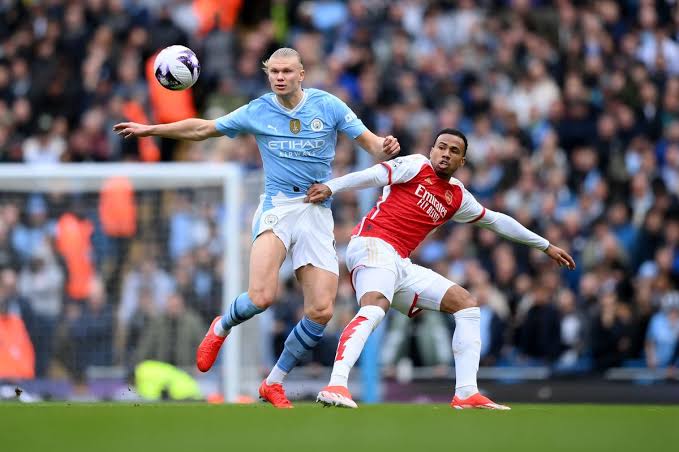
Choosing a side in Ligue 1 2017/18 was rarely just about league position; coaching tactics shaped tempo, chance quality, and in‑game risk, all of which affected how a match played out versus the odds. By reading a coach’s tactical “signature” and understanding how it interacted with specific opponents, bettors could upgrade pre‑match decisions from vague hunches to structured, scenario‑based judgments.
Why tactics were a decisive lens in Ligue 1 2017/18
Across the 2017/18 campaign, Ligue 1 featured a clear stylistic spread, from PSG’s ball‑dominant pressing and high line to more compact, counter‑focused setups lower down the table. Because coaching choices controlled where matches were played on the pitch, how often transitions occurred, and how aggressively teams chased second goals, they directly changed the probabilities behind win, draw, and goal markets. A team’s tactical identity under its coach often remained more stable than individual form, making it a logical anchor for pre‑match evaluation.
How to break down a Ligue 1 coach’s tactical “shape” into betting factors
The starting point for using tactics in decision‑making is to turn broad ideas—“attacking coach,” “defensive coach”—into concrete, observable features that tie back to match outcomes. For 2017/18 Ligue 1, that meant watching how coaches set pressing height, defensive line depth, build‑up patterns, and risk tolerance when leading or trailing. Each of these traits had a traceable impact: high pressing created more turnovers and chances but also exposed space; deep blocks reduced variance but made scoring twice harder; and risk‑averse in‑game management tended to freeze winning positions but limited big comebacks.
Mechanism: from tactical choices to probabilistic edges
The mechanism linking tactics to betting edges is essentially about controlling game states and shot quality. A coach who prioritizes early pressure and vertical attacks increases both the team’s xG and the opponent’s, raising the likelihood of decisive scorelines rather than cagey draws. Conversely, coaches who slow tempo, favor patient circulation, and keep full‑backs deeper reduce chaos, making low‑margin home wins or stalemates more common. When bettors translate these patterns into expectations about likely game states—who scores first, who pushes late, who settles for 1–0—they can align selections with how the match is structurally likely to unfold rather than treating all fixtures as equal.
Table: stylised 2017/18 Ligue 1 coaching archetypes and their betting implications
Within 2017/18 Ligue 1, managers clustered into recognisable tactical archetypes, even if each club had its own nuances. The table below uses stylised profiles grounded in documented Ligue 1 tendencies in that era—dominant favorites at the top, mixed‑style European hopefuls, compact mid‑table units, and survival‑focused sides—to show how one coach’s choices changed the logic of “which side to back.”
| Coaching archetype | Typical tactical traits | Match pattern outcomes | Betting implications |
| High‑pressing dominant favorite | High line, intense pressing, aggressive full‑backs | Territorial control, high xG for and moderate xG against | Strong home win chance; handicap & goal overs often viable |
| Patient possession controller | Medium block, ball retention, controlled tempo | Few transitions, many matches decided by single goal | Narrow home wins; win‑to‑nil and under‑leaning totals attractive |
| Compact counterattacking strategist | Deep block, quick vertical transitions, few numbers up | Low possession, reliance on big breakaway moments | Value as underdog vs expansive sides; dangerous on +handicap |
| Reactive survival manager | Very deep block, time management, set‑piece focus | Slow games, long clearances, scrappy xG patterns | Draw and low‑line unders more live; hard to trust as odds‑on favorite |
By mapping 2017/18 coaches to these archetypes, bettors could simplify complex tactical information into repeatable expectations. For instance, backing a compact counterattacker away to a possession‑heavy favorite often made more sense on Asian handicaps or double‑chance markets than on pure match odds, because the tactical clash favored tight but upset‑prone scorelines.
Using a structured list to read coaches before picking a side
Before deciding which team to back, running through a consistent set of tactical questions helps prevent overreliance on league table or recent scores. In 2017/18 Ligue 1, this type of checklist pushed bettors to observe where and how each coach wanted the game to be played, rather than relying on labels like “attacking” or “defensive” drawn from highlights.
- Where does the coach set the defensive line and pressing trigger—deep, medium, or high?
- Does the team prioritize quick vertical attacks or slow, possession‑first build‑up?
- How many players routinely commit beyond the ball when attacking?
- What happens tactically when leading: maintain pressure, drop deeper, or keep the same shape?
- What happens when trailing: early structural changes or only late desperation?
- How often does the coach rotate systems or personnel for specific opponents?
- Do performance metrics (xG, shots, territory) match the intended style, or is execution weak?
Within the 2017/18 context, this list often separated well‑coached mid‑table sides whose tactics genuinely caused problems for bigger teams from those that were simply reactive and hoping for mistakes. Once the answers were clear, picking a side became less about brand names and more about whether one coach’s plan naturally produced the kind of match the odds assumed.
When reading tactics gave a clear edge in 2017/18
Tactical reading gave the clearest edge when coaches held stable identities, while markets focused mainly on short‑term form and injury headlines. For instance, a high‑pressing favorite facing a tired opponent that struggled under pressure often turned expected superiority into sustained xG dominance, making home wins and high goal lines more reliable than raw table positions alone suggested. Conversely, defensive specialists visiting possession‑first sides could shift matches into slower rhythms, supporting bets on unders or on the underdog to lose by narrow margins rather than being blown away.
In‑season managerial changes also created windows before markets adjusted fully. When a new coach imposed a different pressing structure or formation, early matches under the new regime often showed sharper shifts in tactical behavior than in the odds, especially for mid‑table clubs that attracted less global attention. Bettors who quickly recognized these adjustments—like higher lines, different full‑back roles, or altered pressing—sometimes found short‑term mispricings before bookmakers fully integrated the new tactical data.
Where relying on tactical impressions misled bettors
Tactical impressions became dangerous when based solely on reputation or outdated information. Some coaches known for conservative football made pragmatic shifts during 2017/18, adopting higher pressing or more adventurous structures as squads evolved, but many observers kept betting as if their teams were still playing a previous season’s style. Others overreacted to single matches—like an upset win where a mid‑table team pressed unusually high—without noticing that the approach was opponent‑specific rather than a new default.
Another failure point was ignoring execution quality. Two coaches might intend similar structures, but one had players capable of sustaining pressing intensity or positional play, while the other’s squad lacked either fitness or technical quality to do the same. Treating both as equivalent “attacking” or “defensive” teams in betting decisions glossed over important differences in how often those tactical plans succeeded, especially over the full 2017/18 schedule.
Choosing and using a betting platform to act on tactical reads
Once a bettor had built a pre‑match view grounded in tactics, the way they executed that view across markets affected how efficiently they turned analysis into exposure. Imagine a bettor who, for each 2017/18 Ligue 1 fixture, summarized how both coaches’ styles interacted—pressing vs deep block, wide focus vs compact central defense, risk‑seeking vs risk‑averse—and then derived preferred markets: match winner, handicap, goal totals, or both‑teams‑to‑score. Operating with that mindset, they might channel their actual stakes through เครดิต ฟรี ufabet, regarding it as a betting platform where the breadth of Ligue 1 markets allowed them to match specific tactical conclusions—for example “favorite dominates but may not chase a second goal”—with targeted bets such as win‑to‑nil or narrow‑margin handicaps, instead of defaulting every read into a simple 1X2 selection.
How casino online environments can blur tactical discipline
Tactical analysis rewards patience and a willingness to accept that even well‑read matches sometimes produce unexpected results, because randomness and refereeing decisions still exist. However, many bettors engage in these assessments inside broader digital ecosystems that also host quick, high‑variance gambling products where feedback is immediate and emotionally intense. In a casino online context that integrates Ligue 1 betting with instant casino games under one casino umbrella, there is a real risk that frustration or excitement from rapid casino swings bleeds into pre‑match reasoning, encouraging over‑staking on tactical opinions or abandoning well‑prepared judgments after a single bad beat, even though those judgments were designed to work over a larger sample of 2017/18 fixtures.
Summary
In Ligue 1 2017/18, reading a coach’s tactical profile—pressing intensity, defensive line, build‑up patterns, and in‑game risk—offered a structured way to decide which side to back beyond simple form or table position. When bettors translated those tactical traits into expectations about game states and shot quality, and then matched those expectations to specific markets and prices, they turned stylistic knowledge into a practical decision tool rather than a set of vague labels. At the same time, the season underscored that tactical impressions need constant updating with execution quality and squad changes, otherwise the very framework meant to sharpen choices on league matches can harden into outdated assumptions that markets have already moved past.
Leave a Reply