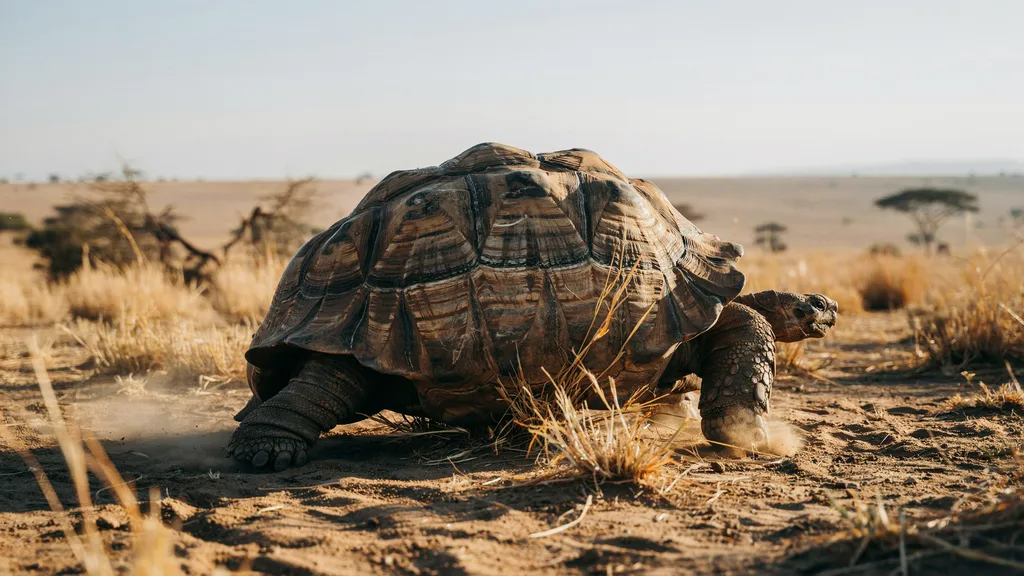
Have you ever seen a turtle that lives on land and grows as big as a large dog? The African Horned Tortoise is an amazing reptile. People also call it the sulcata tortoise or the African spurred tortoise.
This cool animal is the largest mainland tortoise in the whole world! When I look at one, I am always amazed by its size. They have tough, bumpy shells and look like tiny dinosaurs walking in the grass.
Where Do They Call Home?
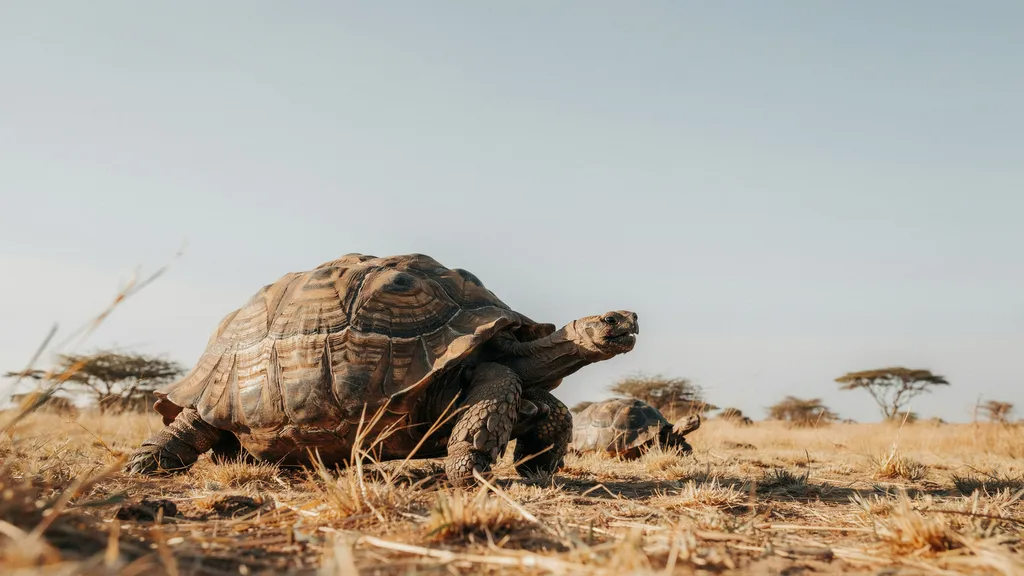
The wild african horned tortoise lives in a hot and dry place. They love the southern edge of the great Sahara Desert in Africa.
The sun beats down hard in this region. There is very little water around for months at a time. Yet, these tough creatures know just how to survive the blazing heat without getting sick or too dry.
Why Do They Have Spurs?
You might wonder why people call them spurred or horned. The african horned tortoise has sharp, cone-shaped scales on its back legs.
These look a bit like little horns or spikes. They are not for fighting enemies. Instead, the tortoise uses these strong legs and scales like tiny shovels to dig deep into the dirt.
Masters of Underground Digging
When the desert sun gets too hot, the african horned tortoise goes underground. They dig long tunnels called burrows.
Some of these homes can go ten feet or more into the cool, damp earth. I think it is so neat that they build their own air conditioning! Staying in the damp soil keeps their skin safe and moist.
What’s on the Menu?
An african horned tortoise is a happy herbivore. That means they do not eat meat at all.
Instead, they munch on dry grasses, green weeds, and wild flowers. Their bodies need a lot of fiber to work right. When they do find a puddle after a rare rainstorm, they can drink a huge amount of water all at once.
Growing Up Big and Heavy
Babies start out very small. A newborn african horned tortoise is only the size of a large coin and weighs very little.
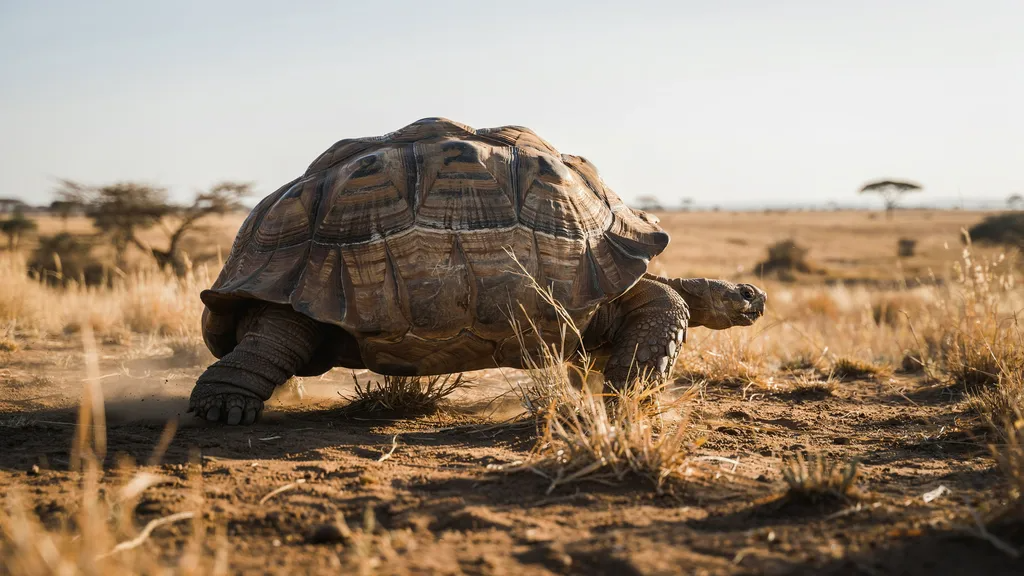
But do not let that fool you! They eat a lot and grow super fast. An adult african horned tortoise can grow up to three feet long and weigh over one hundred pounds!
A Very Long Life on Land
These animals are built for the long haul. A healthy african horned tortoise can live for a very long time.
Many of them live past seventy or eighty years. Some can even reach one hundred years old! That means a pet african horned tortoise can stay in your family for generations.
Slow Speed and Quiet Days
You will never see an african horned tortoise run a race. They move very slowly to save their energy.
They spend their mornings basking in the warm sun. Once they are warm, the african horned tortoise walks around looking for a quick snack before the midday heat returns.
Gentle Pets with Big Needs
Many reptile fans love the african horned tortoise because they are calm and quiet. They are very docile pets.
However, they need a lot of space. Because an african horned tortoise loves to dig, keeping one inside a normal house is too hard. They need a big yard and a warm shed for winter.
Conclusion
Sadly, the wild african horned tortoise faces many troubles today. People build towns on their lands, and farms use up their food.
We must protect their natural home. By learning about the african horned tortoise, we can help keep these gentle giants safe for the future!
Quick Facts Table
| Feature | Detail |
| Common Name | African Horned Tortoise (Sulcata) |
| Scientific Name | Centrochelys sulcata |
| Native Home | Sahara Desert edge, Africa |
| Diet | Grasses, weeds, flowers (Herbivore) |
| Adult Weight | 70 to 100+ pounds |
| Lifespan | 80 to 100 years |
Frequently Asked Questions
1. How big does an african horned tortoise get?
They can grow up to three feet long and weigh over one hundred pounds as adults.
2. Do they really have horns?
Not real horns! They have sharp, pointed scales on their back legs that look a bit like little spikes or spurs.
3. What do they eat every day?
They eat high-fiber plants, mostly munching on dry grasses, leafy weeds, and fresh flowers.
4. Why do they dig deep holes?
They dig burrows to hide from the hot desert sun and to find cool, damp soil.
5. Are they good pets for beginners?
They are gentle and calm, but they grow very large and need a huge outdoor space, so they need dedicated care.
6. How long can they live?
They have a very long life span and often live between eighty and one hundred years.
Leave a Reply